
From inexpensive Indian mobile plans to WhatsApp, eSIMs and the occasional airport frustration, here’s how I stay connected while traveling through India.
There’s something wonderfully liberating about arriving in India, switching on your phone, and knowing you can reach your driver, find your hotel, check a train schedule, or locate a decent cup of coffee without searching for Wi-Fi.
It wasn’t always this easy. I’ve been traveling to India since 2005, long enough to remember when staying connected required considerably more effort. These days, reliable mobile service is inexpensive, widely available, and one of the simplest ways to make traveling through India more comfortable.
On my last three trips, I’ve used Airtel, one of India’s major mobile providers. I’ve also experimented with an international travel eSIM, with considerably less success. After trying both approaches, I have a clear preference. But there are a few things worth understanding before you leave home. I also cover phone setup alongside other practical preparations in my predeparture checklist for India.
My Preferred Approach: Get an Indian Airtel Plan
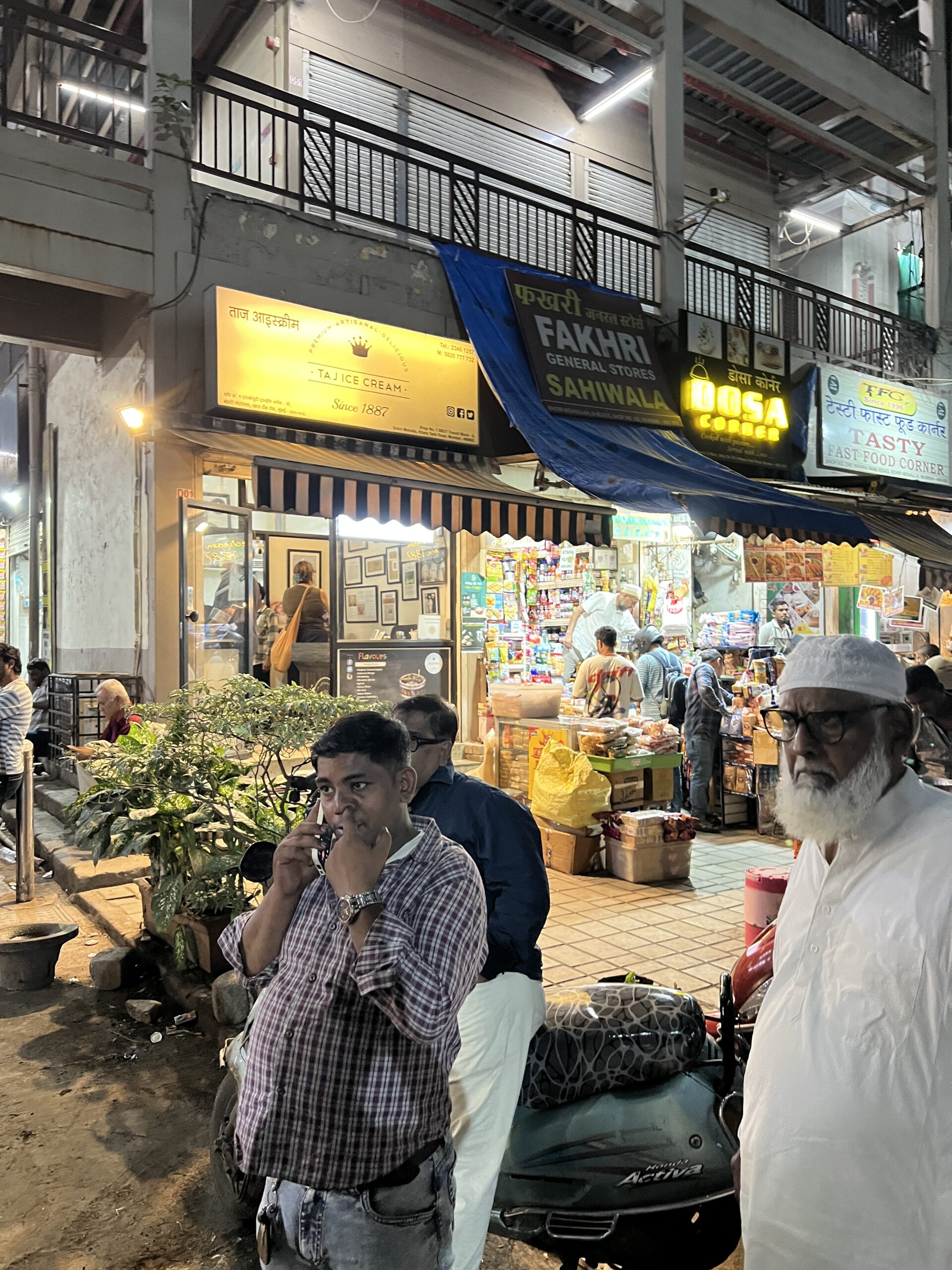
For each of my last three visits to India, I’ve purchased a local mobile package through Airtel. It’s been an excellent solution. The service has been remarkably reliable, even as I’ve traveled between cities, spent long days on the road, and ventured beyond the places most tourists visit.
Perhaps even more appealing is the cost. On my recent trips, Airtel packages started around ₹399, with different options depending on how much data, calling and messaging you need. Compared with some international travel eSIM providers, that’s exceptional value.
And because you’re purchasing an Indian mobile plan, you receive an Indian phone number, something that can be surprisingly useful during your travels. My preference is to visit an official Airtel store rather than try to arrange everything myself.
Buying an Indian SIM: My Experiences at Delhi Airport and Airtel Stores
I’ve purchased Airtel service three times in recent years, and the experiences couldn’t have been more different.
An Uncomfortable Experience at Delhi Airport
On one trip, I decided to purchase my SIM immediately after arriving at Indira Gandhi International Airport in Delhi. There was a kiosk outside baggage claim, and initially everything seemed straightforward.
The agent began processing my application, and I expected to be on my way fairly quickly. Instead, the process dragged on. And on.
Eventually, the agent pulled me aside and asked for an additional ₹500 to complete the purchase of a monthly package that cost ₹399. It was an unmistakably uncomfortable moment.
I don’t want to suggest this is typical of airport mobile kiosks throughout India. It was one experience, involving one agent, and I have no reason to believe it represents Airtel generally. But it was enough to change how I approached purchasing mobile service on subsequent visits.
Why I Now Prefer an Airtel Store
On two later trips, I walked into an Airtel store after arriving in India. Both experiences were entirely different. The staff were helpful, the process was straightforward, and I was generally finished within 40 to 45 minutes.
More importantly, the agents handled the technical setup and made sure my phone was working before I left. I didn’t need to understand the intricacies of mobile networks, configure mysterious settings, or troubleshoot the connection on my own. I walked in needing mobile service and walked out with a working phone. For me, that’s worth the visit.
What You’ll Need to Get an Indian SIM or eSIM
Bring your passport. I was required to present mine each time I purchased Airtel service.
I also keep a copy of my Indian visa folded inside my passport. I can’t say with certainty whether the agents examined it, but I’d recommend having your visa available, including an electronic copy on your phone. During my visits, I wasn’t asked to provide additional personal documents.
The Indian Reference or Sponsor
When registering for Airtel service, I needed an Indian reference or sponsor. This might sound complicated if you’re arriving in India without local contacts.
Fortunately, in my experience, the Airtel agent handled that requirement each time. I didn’t have to find someone myself. That doesn’t necessarily mean every store will make the same arrangement. Registration procedures can change, and travelers should confirm the current requirements before visiting. My experience, though, was uncomplicated.
Physical SIM Cards Versus eSIMs: What’s Changed?
On earlier visits, getting an Indian number meant removing my American SIM card and inserting a physical Indian SIM. More recently, Airtel has activated my service using an eSIM.
An eSIM is a digital SIM built into a compatible phone. There’s no little plastic card to insert, remove, or risk losing. For someone like me who travels with an iPhone, that’s a welcome improvement.
The Airtel agent completes the activation, checks the connection, and makes sure everything is functioning. Not every phone supports eSIMs, and availability can depend on the device and provider. Before leaving home, confirm that your phone is compatible and unlocked for use with another carrier.
Don’t Be Fooled by the Word “Monthly”
Here’s one detail that could easily catch you by surprise. Some Airtel packages described as monthly plans actually operate on a 28-day validity period.
If you’re visiting India for two weeks, this probably won’t matter. But if you’re staying for 29 days, 34 days, or longer, pay attention. You could find yourself nearing the end of your trip just as your mobile plan expires.
I’ve encountered this myself, and fortunately, renewing was extremely easy. You can generally recharge through the Airtel app or visit an Airtel store. There are different packages with different data, calling and messaging allowances. Check the exact expiration date when you activate your plan, and set a reminder a day or two before it expires. Don’t assume that “monthly” means a full calendar month.
What About International Travel eSIMs?
Travel eSIMs have become increasingly popular, and I understand their appeal. Companies such as Saily sell mobile data packages that you can arrange before leaving home. In theory, you land in India, activate the eSIM, and you’re connected.
That sounds wonderfully convenient. My own experience was less successful. I purchased a Saily package for one trip but found the activation process frustrating. Despite trying to follow the instructions, I couldn’t get it to connect properly.
A traveling companion also purchased Saily and eventually managed to get it working after some experimentation. Even then, the connection cut out intermittently during the trip. Meanwhile, my Airtel connection worked flawlessly. That experience left me with a strong preference for purchasing a local Indian plan.
What About the Cost?
On my trips, Airtel packages were available from around ₹399, while the international eSIM options I examined started around $20 for a comparable travel period. That’s a substantial difference.
Of course, prices, data allowances and promotions change, and not all plans are directly comparable. A travel eSIM may still be a good choice if you’re visiting India briefly, want data immediately upon landing, or prefer arranging everything before departure. Some travel eSIMs are data-only, however, meaning they don’t provide an Indian telephone number.
For my longer journeys, I prefer the combination of an Indian number, a local data plan and in-person assistance.
WhatsApp: The One App I Wouldn’t Travel to India Without
I love WhatsApp. It’s one of the most useful tools I have when traveling through India, and I strongly recommend installing it before leaving home.
The beauty of WhatsApp is that you don’t need to change your existing WhatsApp number when you activate an Indian eSIM. My contacts can continue reaching me at the same number they’ve always used.
I can send messages, make voice calls, share photographs and stay in touch with people back home without asking everyone to save a new number. And within India, WhatsApp is enormously useful. Drivers, guides, hotels, travel agents and local contacts often use it to communicate.
I recommend adding important contacts before departure, particularly anyone involved in your arrival transportation, accommodations or travel arrangements. Once you have mobile data or Wi-Fi, communication is easy.
One of the most rewarding relationships I’ve developed through technology is with my Hindi tutor in Lucknow. We began studying together long before we met in person. Eventually, during one of my trips to India, we had the opportunity to meet face-to-face. Our lessons continue to this day.
It’s a reminder that staying connected isn’t simply about booking a car, finding a restaurant or sending a message home. Sometimes the connections we make become part of the reason we keep returning.

Keep Track of Your Indian Number, Too
Although WhatsApp handles most of my communication, I always save my Indian mobile number somewhere accessible. Some people and services specifically request an Indian number so they can call you directly. Your WhatsApp number and your Indian mobile number may be different, and it’s worth knowing which one to provide.
What Happens to Your American Phone Number?
When I’m traveling through India, I generally switch off my American mobile line and use Airtel for everyday mobile service. That keeps things simple. But there’s a trade-off.
With my American line turned off, I generally don’t receive ordinary calls or SMS text messages sent to that number. For everyday communication, WhatsApp solves much of the problem. But there are situations where you may still need your American number, particularly when accessing banking or other accounts that send verification codes.
Can You Receive American Text Messages Over Wi-Fi?
Possibly, depending on your phone and carrier. Some American carriers support Wi-Fi Calling and texting, allowing compatible phones to receive calls and SMS over a Wi-Fi connection.
Your American line generally needs to remain enabled, and Wi-Fi Calling must be supported and properly configured. Simply turning on airplane mode and connecting to Wi-Fi won’t necessarily retrieve messages from a line you’ve switched off.
If receiving American verification codes is important, investigate this before departure rather than discovering a problem when you’re trying to access your bank account from India. On a compatible dual-eSIM iPhone, you may be able to keep both your American and Indian lines available. Turning the American line off is my preference, not a requirement of using Airtel.
Using an iPhone in India: A Few Things to Check Before You Leave
Make sure your phone is unlocked. An iPhone locked to an American carrier may not accept another provider’s eSIM. On an iPhone, you can generally check under Settings → General → About → Carrier Lock. You’re looking for “No SIM restrictions.”
Confirm that your phone supports eSIM. Most recent iPhones do, although capabilities vary by model and region.
Check your American carrier’s international policies. Understand whether roaming charges apply, whether Wi-Fi Calling is available abroad, and what happens if you leave your American line enabled.
Set up WhatsApp before departure. Register it with your existing number, confirm that it works, and add useful contacts.
Know where your cellular settings are. On an iPhone, you’ll generally manage your American and Indian lines under Settings → Cellular or Mobile Service, depending on your device and region.
When Airtel activates your eSIM, the agent can help you choose the Indian line for mobile data and verify that the connection works. I wouldn’t attempt to memorize every setting beforehand. That’s part of the reason I prefer going into the store.
Will You Have Service Outside India’s Major Cities?
One of the things that has impressed me most about Airtel is how reliably it’s worked during my travels. I’ve used it across cities, during long road journeys, and in places far removed from the familiar tourist circuits.
That doesn’t mean every road, village or mountain valley has perfect reception. India is enormous, and mobile coverage varies by geography, network and location. Remote mountain regions can be especially challenging.
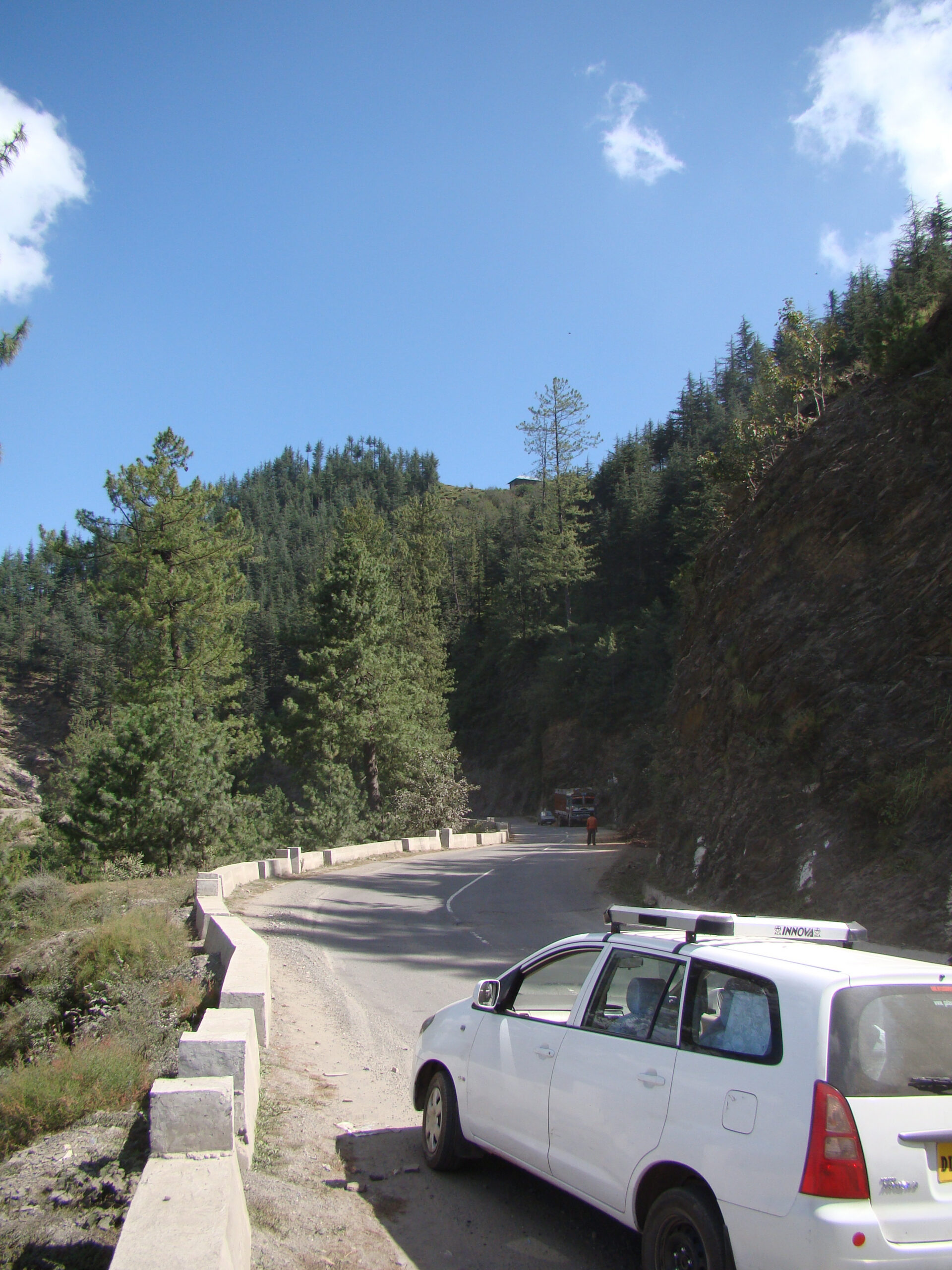
If you’re heading into remote areas, download offline maps, save your hotel details, and don’t assume you’ll always have a mobile signal. For most of my travels, though, reliable connectivity has become something I rarely have to think about. And that’s precisely how I like it.
My Recommended Way to Stay Connected in India
After trying different approaches, I’ve settled on a routine that works exceptionally well for me. I arrive in India, visit an official Airtel store, purchase a local plan and let the agent handle the activation.
I make sure the phone is working before leaving, save my new Indian number, and check the plan’s expiration date. I use WhatsApp for most communication, keeping my familiar number so friends, family and local contacts can reach me without confusion.
I also make sure I understand what happens to my American line, particularly if I need to receive verification codes while traveling.
An international travel eSIM might be more convenient for some visitors, especially on shorter trips. But for the way I travel—often several weeks at a time, moving between cities and spending plenty of time on the road—Airtel has been dependable, affordable and wonderfully uncomplicated.
India can be wonderfully unpredictable. Getting your phone connected shouldn’t have to be.

 Laundry Options for the India Traveler
 Malaria in India: Why I Stopped Taking Doxycycline
 What Is MRP in India? A Small Detail That Could Save You Money